- EquityResearch
- Posts
- What Goes Down... Might Not Come Back Up (Protect Yo’ Assets)
What Goes Down... Might Not Come Back Up (Protect Yo’ Assets)
Stop Trying to Get Rich Fast—Try Not Going Broke First

Anshulika Bansal
May 27, 2025
Hey friend,
Ever checked your portfolio, saw a sea of red, and thought, “Well, there goes my weekend plans”?
We’ve all been there.
But here's a thought: What if the key to long-term investing success isn't chasing the highest returns, but mastering the art of drawdown control?

Imagine this:
You’re at an all-you-can-eat buffet.
You pile your plate with spicy wings, sushi, and something that might be jellied eel. It looks promising. But halfway through, your stomach taps out—and you're left with regret, heartburn, and a questionable sense of judgment.
That’s what chasing high returns without drawdown control feels like. Looks good at first, but the aftermath? Oof.
Sounds familiar?
Keep reading…
Wait, What’s a Drawdown?
A drawdown is the decline from a portfolio's peak value to its lowest point before a new peak is achieved.
Think of drawdown as your portfolio’s version of falling down the stairs. It’s not the stumble that hurts—it’s how far you fall and how long it takes to stand up again.
More formally:
A drawdown is the decline from your portfolio’s highest point to its lowest before it starts recovering.

The Real Cost of Drawdowns
Here's the kicker: Recovering from a drawdown requires a higher percentage gain than the loss incurred. For example:
A 20% loss? You need a 25% gain to break even.
A 50% loss? That demands a 100% gain.
And if you're down 75%? Brace yourself for a 300% climb just to get back to where you started.
It's like falling into a hole—the deeper you go, the harder it is to climb out.
Why High Returns Can Be Misleading
High returns look great on paper. They strut around with flashy charts and “+78% YTD” labels. But behind the scenes? They often come with wild swings, sleepless nights, and the kind of volatility that makes you question your life choices.
Controlling drawdowns, on the other hand, is like dating someone who knows how to budget, meal prep, and parallel park.
Boring? Maybe.
Safe and stress-reducing? Absolutely.
If you want to pick quality stocks to control your drawdown,
go to EquityResearch and input the ticker.
Why Should You Care?
Because your money isn't just numbers. It’s your time, your effort, your goals in digital format.
A portfolio that grows steadily—even if slowly—wins over one that skyrockets and crashes like a Netflix stock post-pandemic.
The big lesson: Avoiding big losses is often more powerful than chasing big wins.
So, how can you keep your portfolio's drawdowns in check?
The Tools: How to Keep Your Portfolio from Melting Down
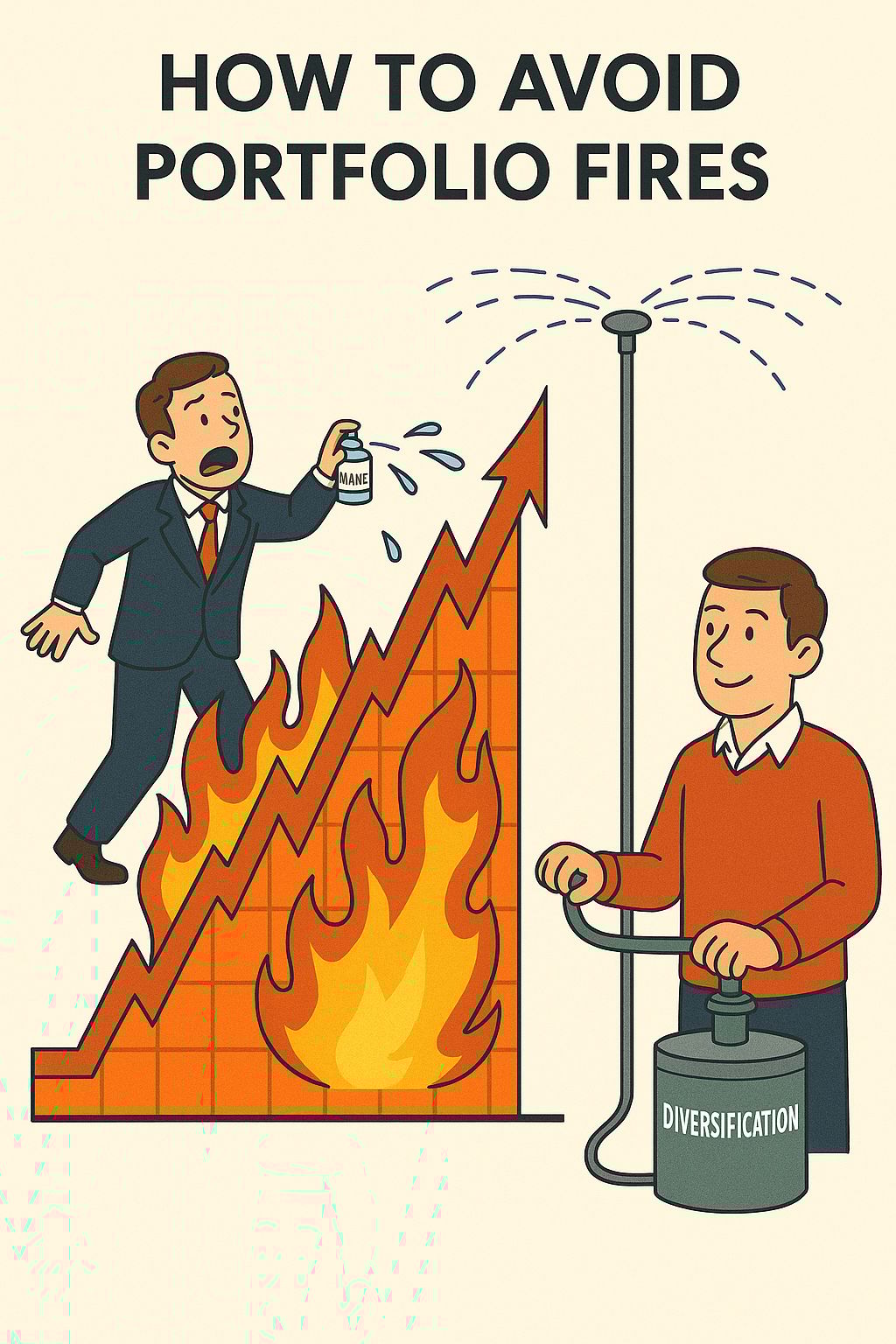
1. Diversify Like You’re Booking a Vacation
Don’t just pick one beach resort. Throw in a cabin in the mountains, a city break, maybe even a boring-but-safe trip to your hometown.
Global diversification works the same way. If one market crashes, another might be steady or even booming.
Translation: Don’t bet everything on U.S. tech or a friend’s crypto tip.
2. Use Stop-Losses: The Emergency Brake of Investing
You wouldn’t drive a car without brakes, right?
A stop-loss order says, “Hey, if this thing drops 10%, just sell it. I’m out.” It prevents a small slide from turning into a disaster.
It’s like your portfolio saying, “Nope. I’ve seen this movie. We're not going Titanic today.”
3. Regularly Rebalance Your Portfolio
Imagine living on pizza and cookies for three months. Now you’re 12 pounds heavier and your doctor is giving you side-eye.
Rebalancing helps bring your portfolio back to a healthy state. Sell what got too chunky, buy what slimmed down.
It’s discipline, not drama.
4. Smart Position Sizing: Don’t Put All Your Chips on Red
You don’t throw your whole wallet on one roulette spin.
The same logic applies here. Don’t go all in on a single stock or sector. Keep your risks measured and your bets sized sensibly.
A 3% loss on your portfolio? Manageable. A 70% loss because you YOLO’d into biotech? That’s gonna hurt.
5. Maintain a Long-Term Perspective
Markets fall. They also rise. Then fall again. It’s like a toddler learning to walk—chaotic but, eventually, they get it right.
Having a long-term mindset helps you ride out the dips without panic-selling at the worst moment.
Remember: Your worst investment decision usually happens 5 minutes after checking your portfolio on a bad day.
The Bottom Line
Drawdown control won’t win you dinner party bragging rights. But it will help you stay in the game, sleep better, and actually hit your financial goals without needing therapy or antacids.
In investing, it’s not about how high you fly—it’s about how softly you land when gravity hits.
So next time you’re tempted by sky-high returns, ask yourself: Can I handle the fall?
If not, focus on staying upright. Your future self (and your blood pressure) will thank you.
If you want to pick quality stocks to control your drawdown,
go to EquityResearch and input the ticker.
Disclaimer: This newsletter is for informational purposes only and should not be considered financial advice. Always consult with a financial advisor before making investment decisions.